
Uganda’s startup ecosystem is growing faster than most founders realize. The country posted a 32.5% growth rate in 2026, making it one of Africa’s fastest-moving innovation hubs, and it now ranks 96th globally on StartupBlink’s index .
Kampala alone accounts for nearly all of the country’s tracked enterprise value, estimated at $497.5 million .
But growth does not automatically mean access. Early-stage capital remains scarce, and much of the available funding flows to foreign-founded ventures rather than homegrown Ugandan companies .
That is precisely why accelerators and incubators matter here: they are often the only bridge between a promising idea and the first real cheque.
This guide covers the programs that actually fund and support Ugandan founders in 2026 and 2027, what they offer, who they are for, and how to apply.
Also check: Top Startup Accelerators in Singapore (2026/2027): Best Programs, Funding & How to Apply
The Top Accelerators and Incubators in Uganda
1. Outbox Hub
Outbox Hub has been operating since 2011 and is one of the most established incubation spaces in Uganda .
It is based at Soliz House on Lumumba Avenue in Kampala and runs both incubation programs and specific accelerator challenges.
What it offers: Outbox provides grants, challenges, and structured programs for startups.
Its most prominent current initiative is the 10X Digital Startup Accelerator Challenge, run in partnership with UNCDF and supported by the Mastercard Foundation .
Through the 10X Challenge, selected startups receive refundable grants of up to $40,000 plus six months of technical assistance and mentorship.
The program targets startups building solutions that help MSMEs thrive in the digital economy, areas like finance, market access, and operational efficiency .
Track record: Outbox has invested in or supported companies including Apollo Agriculture, AgriPredict, and Everlend Agritech .
The 10X Challenge alone selected six startups from 78 applicants in its most recent cohort, including Everpesa Technologies, Smartfric, and Greenlife Africa .
Who it’s for: Early-stage Ugandan startups with a working MVP that address MSME challenges. The 10X program specifically requires startups to be at MVP stage, not yet profitable, and to have raised less than $300,000 .
How to apply: Applications for the 10X Challenge are announced through Outbox’s official channels. The 2026 cohort has already closed, but the program operates in cycles. Monitor Outbox’s website and social media for the next intake.
2. Standard Chartered Women in Tech (WiT) Uganda Accelerator
This is the most significant gender-focused accelerator in Uganda right now. Run by the Standard Chartered Foundation in partnership with Innovation Village and Village Capital, and implemented by Future Lab, the program is specifically designed for women-led, tech-enabled startups .
What it offers: A 30-week accelerator running from April to October. Up to 20 women-led businesses are selected in each cohort, with at least 14 expected to graduate as investment-ready ventures.
The program combines business model refinement, digital adoption, financial management, and investor readiness training.
Top-performing startups compete for catalytic grant funding from a 50,000pool**,withindividualgrantsofupto**10,000 awarded to the strongest pitches .
Track record: The second cohort graduated 20 women-led businesses in September 2026, with five startups, AeroCAD Learner, Ingo Female Transporter, MobiKlinic Holdings, Rhizonecare Ventures, and Che Innovations Uganda—each receiving $10,000 in catalytic funding . The inaugural cohort supported 12 women entrepreneurs .
Who it’s for: Women founders running technology or tech-enabled businesses in Uganda.
The program explicitly targets scalable, impact-driven solutions. Women account for only about 18% of Uganda’s tech workforce, and this program is designed to address that gap directly .
How to apply: Applications are submitted through the program website at scwomenintech.futurelab.africa. The 2026 cohort launched in April, so expect the 2027 application window to open in early 2027 .
3. UJ-Connect Entrepreneurship Training and Mentorship (ETM) Programme
This is the government’s flagship startup support initiative, implemented by the Ministry of ICT and National Guidance in partnership with the Japan International Cooperation Agency (JICA). It runs through the National ICT Innovation Hub in Nakawa .
What it offers: The ETM Programme provides practical entrepreneurship training, mentorship, business development support, and international exposure.
Participants learn to refine their ideas, protect intellectual property, access new markets, and build investment-ready businesses.
Previous cohorts have received Proof of Concept grants, showcased innovations at GITEX Global in Dubai, and participated in exchange programs in Japan and Vietnam .
Track record: Batch Four, launched in July 2026, welcomed 83 young innovators selected through a competitive process .
The program is part of a broader UJ-Connect initiative that has trained over 150 students in high-demand digital skills and supported multiple cohorts of startups through structured mentorship .
Who it’s for: Young Ugandan innovators, particularly university students and recent graduates, who have promising ideas but need support to commercialize them. The program is explicitly designed to bridge the gap between creative ideas and sustainable businesses .
How to apply: Applications are announced through the Ministry of ICT and National Guidance and the National ICT Innovation Hub. The program operates in batches, with Batch Four already underway. Monitor official channels for Batch Five announcements.
4. Hive Colab
Hive Colab was founded in June 2010 and co-established by AfriLabs, the pan-African network of technology innovation hubs . It is one of the oldest and most recognized incubators in Uganda.
What it offers: Hive Colab operates as an open, shared, community-owned working platform for tech entrepreneurs. It provides co-working space, community access, and early-stage incubation support.
It is less structured than cohort-based accelerators, which can be an advantage for founders who need flexibility rather than a rigid program .
Who it’s for: Early-stage tech entrepreneurs in Kampala who need physical infrastructure, a community of peers, and access to a broader network through the AfriLabs connection.
It is particularly well-suited to founders who are still working on their product and are not yet ready for a formal accelerator cohort.
How to apply: Hive Colab accepts members on a rolling basis. Contact info@hivecolab.com or visit hivecolab.org for current membership and incubation options .
5. Stanbic GreenTech Incubator Programme
This is a newer entrant focused specifically on the green economy. It is run by Stanbic Bank and targets youth and women innovators building solutions in sustainability and green technology .
What it offers: A 6- to 18-month incubation program that includes training, mentorship, pitching events, and market readiness support. The program is designed to help green-tech founders move from prototype to commercial viability.
Who it’s for: Youth and women founders in Uganda building solutions in recycling, waste-to-product, regenerative agriculture, renewable energy, eco-construction, or sustainable manufacturing. Applications are ongoing, and early submissions are recommended .
How to apply: Applications are accepted on a rolling basis through Stanbic’s program channels. Check the Stanbic Uganda website and social media for the current application link.
6. Kabale Regional Accelerator (National ICT Innovation Hub Initiative)
This is part of a national effort to extend innovation support beyond Kampala. In March 2026, the National ICT Innovation Hub, in partnership with Kabale University and Engage Consults, ran a five-day innovation accelerator in Kabale, western Uganda .
What it offers: Intensive short-format acceleration focused on moving teams from idea to functional MVP and investor-ready pitch deck. The Kabale cohort produced 15 investor-ready startups from 37 participants across agriculture, tourism, ICT, and manufacturing. Two MoUs were signed on Demo Day, creating pathways for pilot implementation .
Who it’s for: Founders based in western Uganda and other regions outside Kampala who have traditionally been underrepresented in national innovation programming. The model is being tested for regional expansion, so similar programs may appear in other districts.
How to apply: Regional accelerator announcements are made through the National ICT Innovation Hub. If you are based outside Kampala, watch for similar programs in your region.
7. Makerere University Innovation and Incubation Centre
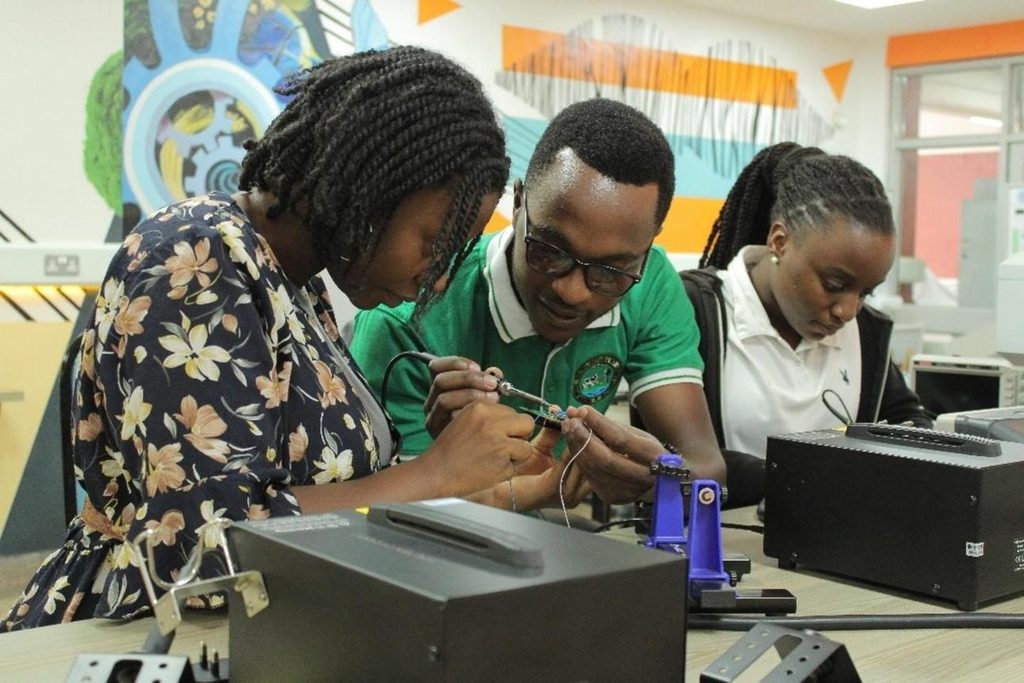
Best for: University-linked startups, researchers, and student innovators
Makerere University is a significant source of research, technical talent, and entrepreneurship in Uganda. Its innovation and incubation ecosystem provides a potential starting point for students, researchers, graduates, and innovators seeking to commercialize ideas.
University-linked incubation can be especially useful for founders developing products that require technical validation, research partnerships, or access to specialist knowledge.
Potential benefits
- Business development and entrepreneurship training.
- Mentorship and networking.
- Support for developing and testing products.
- Access to research and technical expertise.
- Opportunities to connect innovation with commercial markets.
Who should consider it?
Consider Makerere-linked incubation if you are a student, researcher, graduate, or founder working on a solution that could benefit from academic expertise or technical collaboration.
How to apply
Start with Makerere University and ask about the current innovation, incubation, and entrepreneurship programs accepting applications.
Confirm the active program’s name and application procedure before submitting documents, as university initiatives and program structures can change.
8. Uganda Industrial Research Institute (UIRI)
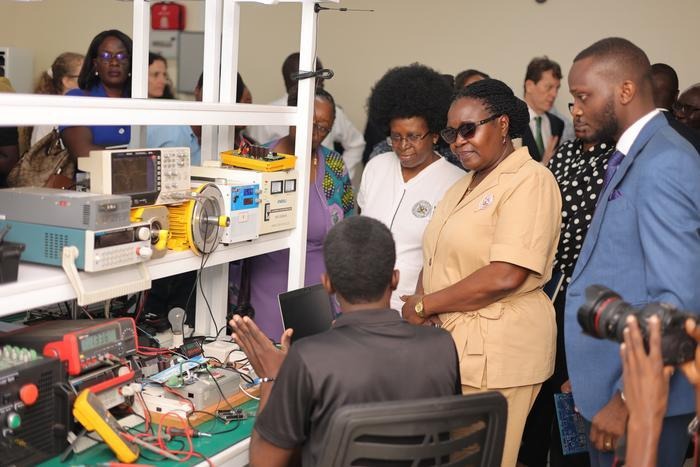
Best for: Manufacturing, agribusiness, product development, and industrial innovation
The Uganda Industrial Research Institute is an important option for entrepreneurs whose businesses involve physical products, processing, manufacturing, or industrial technology.
Unlike an accelerator focused primarily on software and investor presentations, UIRI offers business incubation that can include technical facilities, product development, practical training, and commercialization support.
What support does UIRI offer?
According to its published incubation information, support may include:
- Access to equipment and facilities.
- Technical mentorship and product development.
- Laboratory services.
- Practical training.
- Business planning and market development.
- In-house or virtual incubation.
Who should apply?
UIRI may be a particularly good fit if you are developing a processed agricultural product, consumer goods, industrial equipment, or a manufacturing business that requires technical assistance.
For example, a food-processing startup may need help improving production methods, product quality, packaging, and readiness for commercial distribution—not just funding.
How to apply
Visit the official UIRI website and review the incubation requirements and application process.
9. CURAD Incubator
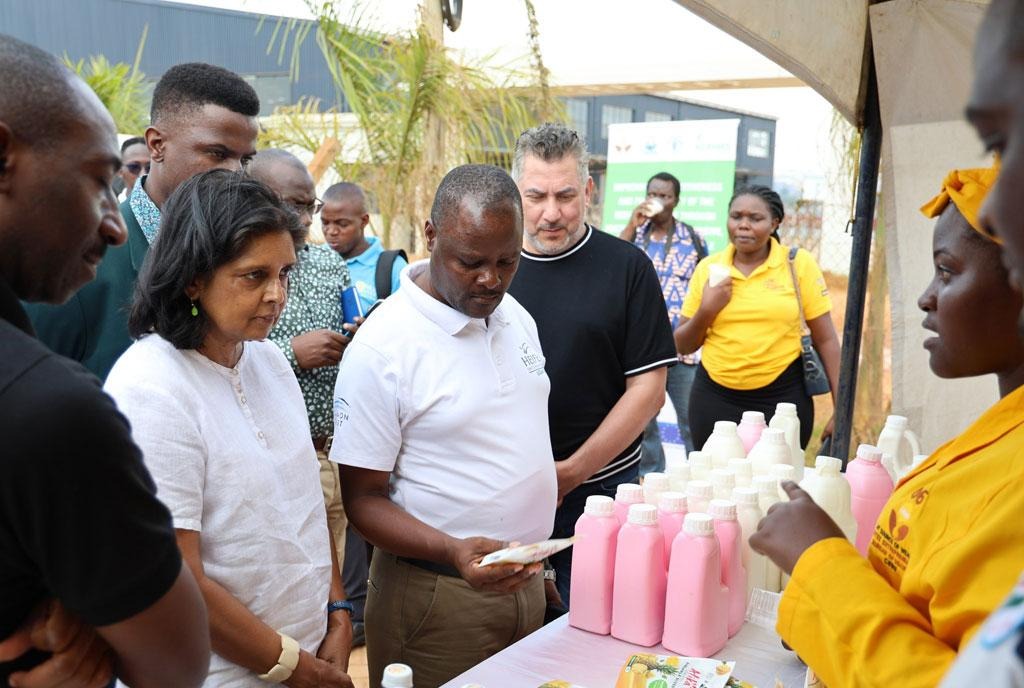
Best for: Agribusiness, agricultural value addition, and food innovation
The Consortium for enhancing University Responsiveness to Agribusiness Development (CURAD) is an agribusiness incubation initiative in Uganda.
It is worth investigating if your startup works with farmers, agricultural inputs, food processing, post-harvest handling, or value-added agricultural products.
Why agribusiness founders should consider CURAD
Agricultural startups often face challenges that differ from those of digital businesses. They may need technical support, product testing, access to farmers, supply-chain development, and relationships with buyers.
Agribusiness incubation can help founders strengthen their production processes and develop commercially viable products.
Potential areas of support include:
- Agribusiness development and mentorship.
- Product development and value addition.
- Business planning and market access.
- Connections with agricultural stakeholders.
- Support with commercialization and scaling.
How to apply
Visit the CURAD website to verify current services, eligibility, and available incubation opportunities.
Check whether the specific program you are considering is actively recruiting for 2026/2027.
10. GrowthAfrica
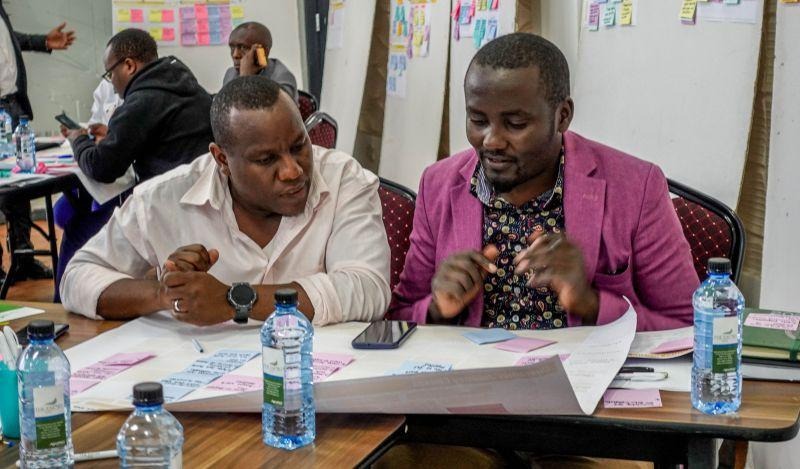
Best for: Growth-stage businesses seeking to scale
GrowthAfrica is known for supporting entrepreneurs seeking to build stronger, more scalable companies across African markets.
For Ugandan founders, it is worth checking whether GrowthAfrica has a current Uganda-focused program, a regional cohort open to Ugandan companies, or another relevant opportunity.
What founders should look for
Depending on the available program, support may include:
- Business growth strategy.
- Mentorship and leadership development.
- Financial management and investment readiness.
- Market expansion planning.
- Connections to investors, customers, and business partners.
Who should consider GrowthAfrica?
It is particularly worth investigating if your business already has a working model and needs support to improve performance, expand its customer base, or prepare for investment.
How to apply
Visit the GrowthAfrica website and review current opportunities for Ugandan businesses.
Do not assume that a past accelerator cohort is still accepting applications or that a new cohort will offer the same funding terms.
11. The Innovation Village
Best for: Startups seeking innovation networks, venture-building support, and corporate connections
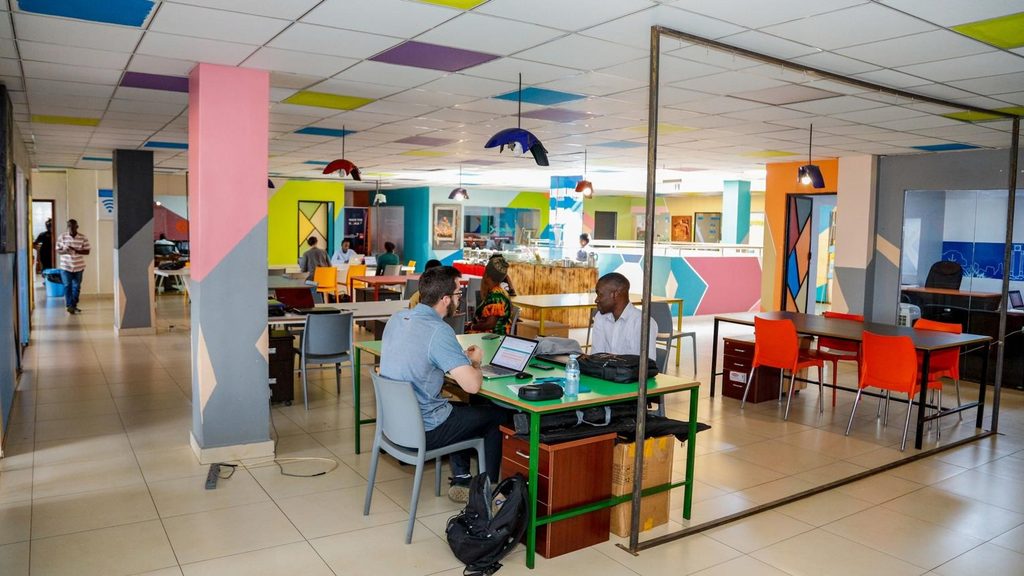
The Innovation Village is one of Uganda’s prominent innovation platforms, supporting entrepreneurs, businesses, and communities working on solutions to local and regional challenges.
Rather than focusing exclusively on one accelerator, The Innovation Village operates across several areas, including innovation hubs, venture studios, creative industries, and catalytic capital for promising ventures.
What makes The Innovation Village useful?
Its broader ecosystem can help entrepreneurs access:
- Innovation and entrepreneurship communities.
- Venture-building and product development support.
- Connections to institutional and corporate partners.
- Opportunities to explore funding for eligible ventures.
- Networks for collaboration and market development.
Who should consider applying?
This is a useful organization to investigate if you are developing an innovative product, building a technology-enabled business, or seeking partnerships to bring a solution to market.
How to apply
Visit The Innovation Village’s official website to explore its current programs, venture-building opportunities, and application announcements.
Because opportunities vary, ask about the relevant program’s eligibility, selection process, and whether it provides direct funding.
Which Uganda Startup Accelerator Should You Choose?
With so many options, the best approach is to start with your business’s biggest need.
For technology startups
Start with Hive Colab, The Innovation Village, Outbox, or the National ICT Innovation Hub. Compare their current incubation and accelerator opportunities.
For established businesses seeking growth
Investigate Stanbic Business Incubator, GrowthAfrica, and relevant Hi-Innovator opportunities.
For agribusiness and manufacturing
Explore CURAD and UIRI, particularly if your business requires technical facilities, product development, or processing support.
For women founders
Investigate WITU, Hive Colab’s women founders initiatives, and relevant women-focused entrepreneurship programs.
For student founders and researchers
Look into Makerere University’s innovation ecosystem, the National ICT Innovation Hub, and UIRI for research or product-based ventures.
How to Prepare a Strong Accelerator Application in Uganda
Once you have shortlisted suitable programs, focus on presenting your startup as a credible business with a clear opportunity for growth.
1. Register your business where required
Some programs accept founders at the idea stage, while others require a legally registered Ugandan business. If registration is necessary, make sure your company documents and ownership information are up to date.
2. Explain the problem you are solving
Describe the problem in practical terms and identify the customers who experience it. Explain how your product or service improves their situation.
For example, an agritech startup might help farmers reduce post-harvest losses, while a fintech startup could make payments or access to financial services easier for small businesses.
3. Demonstrate demand
Show that potential customers actually want your product. Evidence might include sales, pilot projects, user growth, repeat purchases, customer interviews, or partnerships.
If you are at the idea stage, explain what you have learned from speaking to potential customers.
4. Prepare realistic financial projections
Show your expected revenue, costs, cash flow, and funding requirements. Make sure your projections are based on reasonable assumptions rather than optimistic guesses.
5. Explain how you will use funding
If you are seeking capital, provide a clear breakdown of how it will be spent.
Possible uses include product development, equipment, inventory, staff, marketing, distribution, and market expansion.
6. Build a strong team
Accelerators want to understand whether your team has the skills and commitment to execute the business plan.
Highlight relevant experience and explain how your team handles important functions such as sales, operations, finance, and product development.
7. Apply to programs that fit your stage
A startup with only an idea may not qualify for an accelerator requiring revenue and financial records. Likewise, a manufacturing company may benefit more from industrial incubation than from a program focused entirely on software.
Read the eligibility requirements before investing time in an application.
Final Thoughts
Uganda has a growing ecosystem of innovation hubs, startup accelerators, university-linked programs, and business incubators. Whether you are building a software company in Kampala, developing an agribusiness in a rural district, commercializing research, or expanding an established small business, there are organizations worth approaching for practical support.
For technology founders, Hive Colab, Outbox, The Innovation Village, and the National ICT Innovation Hub are useful places to begin.
For businesses that need operational support or investment readiness, Stanbic Business Incubator and relevant Hi-Innovator opportunities deserve attention. Founders developing physical products can also investigate UIRI and CURAD.
Before applying, confirm that the program is active for 2026/2027, verify its eligibility criteria, and check whether funding is actually included. This simple step can save time and help you focus on the opportunities most likely to move your business forward.
Also check: Top Startup Accelerators in South Africa (2026/2027): Funding, Equity & How to Apply