
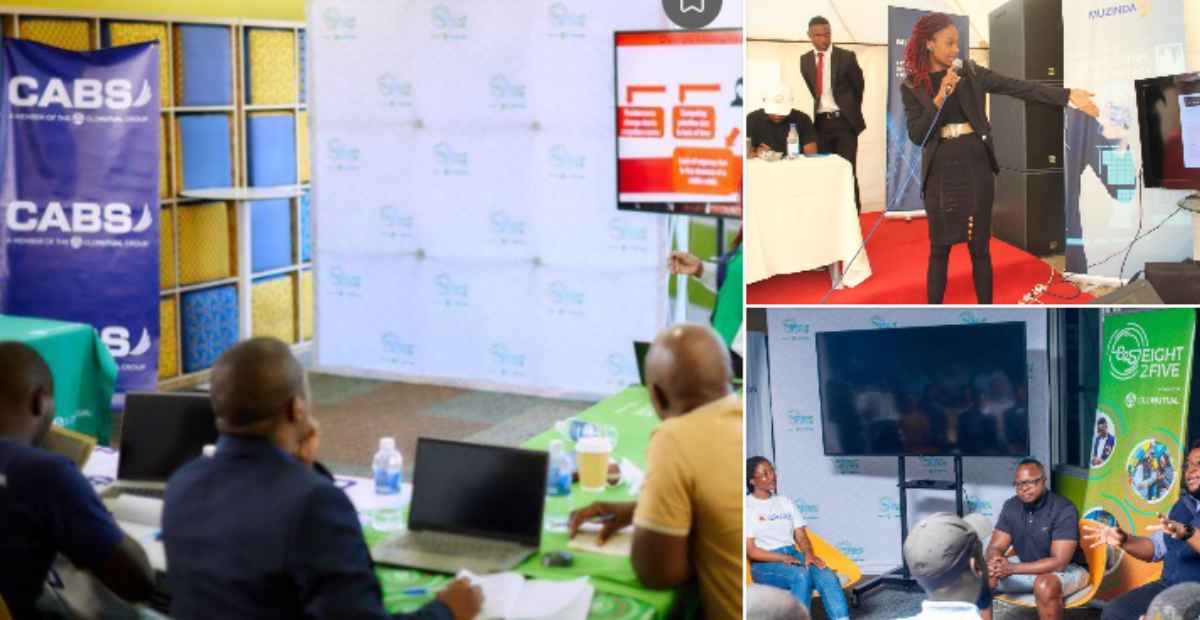
Zimbabwe’s startup support landscape is thinner than Kenya’s or Nigeria’s, but it is not empty. The country has a small, determined network of incubators, a government that is slowly putting money behind innovation, and a handful of regional programs that explicitly include Zimbabwean founders.
The challenge is information. Many of the most valuable opportunities are announced through LinkedIn posts, partner newsletters, or provincial forums rather than centralized databases.
This guide consolidates what is actually available for Zimbabwean founders in 2026 and 2027, the incubators, the accelerators, the grant programs, and the application windows you need to track.
Also check: List of Accelerators and Incubators for Startups in Zambia (2026/2027)
The Reality Check: What Zimbabwe’s Startup Scene Actually Offers
Zimbabwe does not have a single dominant accelerator on the scale of Kenya’s iHub or Nigeria’s CcHUB. Instead, the ecosystem is a patchwork of:
- Private-sector-backed incubation programs like the Value Creation Challenge, run by Eight2Five Innovation Hub with corporate sponsors .
- Regional pre-incubation initiatives like timbuktoo MineTech, which includes Zimbabwe among six eligible countries .
- Government funding mechanisms like the Presidential Innovation Fair commercialization fund and the US$1 million Youth Economic Fund .
- Smaller community hubs like the Centre for Innovation & Technology in Bulawayo, which provides physical incubation space .
The common thread is that most programs are either sector-specific (mining tech, green tech) or demographic-specific (youth, women).
If you are a generalist tech founder, you will need to be strategic about which windows you pursue.
The Top Accelerators and Incubators in Zimbabwe
1. Value Creation Challenge (VCC6): The Most Established Startup Incubation Program
The Value Creation Challenge is the flagship incubation program for Zimbabwean startups.
Now in its sixth year, it is run by Eight2Five Innovation Hub and powered by Old Mutual Zimbabwe, with delivery partners including the British Council, the British Embassy Harare, the Zimbabwe Agricultural Development Trust, SNV Netherlands Development Organisation, and the Embassy of Switzerland .
What it offers: A structured incubation program with expert-led business development sessions, access to local startup networks, mentorship, and financial support.
The program is designed for early-stage startups and explicitly targets entrepreneurs with prototypes, MVPs, or early-market solutions showing traction .
Who it’s for: Entrepreneurs and early-stage startups that are 0–3 years old. You need more than an idea—the program expects a prototype or MVP and some evidence of market validation .
How to apply: Applications for VCC6 opened in early 2026 through the program website at vcc.co.zw. The program runs annually, so monitor Eight2Five’s channels for the 2027 cycle announcement.
2. timbuktoo MineTech Pre-Incubation Programme: Regional Access with UNDP Backing
This is one of the few programs that explicitly lists Zimbabwe as an eligible country, making it a rare opportunity for founders building mining or mineral exploration technology. The program is run by UNDP’s timbuktoo MineTech Hub and targets innovators from Botswana, Liberia, Malawi, Nigeria, Zambia, and Zimbabwe .
What it offers: A 10-week pre-incubation program delivered in a hybrid format, combining online workshops with hands-on prototyping.
Participants receive technical mentorship, industry engagement with mining stakeholders, prototype development support, and entrepreneurship training covering market validation, business modeling, and commercialization planning.
Selected teams may compete for seed funding and high-potential teams can progress to the MineTech Hub incubation program .
Who it’s for: Students, recent graduates, researchers, engineers, and early-stage entrepreneurs aged 18–35. You must form a multidisciplinary team of 2–5 members, all residing in the same eligible country.
A registered company or completed prototype is not required—this is genuinely pre-incubation . Female applicants are particularly encouraged.
Focus areas: Mineral exploration and geological data, remote sensing and surveying, geophysical and geochemical technologies, mineral identification and analysis, and AI/predictive analytics for mining .
How to apply: The 2026 application deadline was October 16, 2026 . The program runs in cohorts, so monitor UNDP Zimbabwe and timbuktoo channels for the next intake.
3. Ignite Zimbabwe Investment Readiness Programme: For Founders Ready to Raise
This is a newer program from the Great Zambezi Initiative, designed to bridge what the organizers call the “Valley of Death” between having an MVP and being VC-ready.
It is sector-agnostic but focuses on founders with validated products .
What it offers: Investment readiness training, access to the Zambezi Angels Network (a regional investor network spanning Zimbabwe, Zambia, South Africa, Botswana, and Malawi), and direct mentorship from market leaders.
The program is explicitly designed to prepare founders for investor conversations .
Who it’s for: Founders with a validated MVP who are ready to move toward their first institutional or angel round.
If you are still building your product, this is not the right fit, the program expects you to have something to pitch.
How to apply: The 2026 cohort had a deadline of June 30, 2026, with sessions beginning in September 2026 . Monitor Great Zambezi Initiative’s LinkedIn page for the 2027 cycle. The organization also offers cross-border company registration support for founders expanding across Southern Africa.
4. Sharpe Business Academy + NVCCZ Pipeline: Training to Venture Capital
This is not a traditional accelerator, but it is one of the more structured pathways from training to capital in Zimbabwe.
The Sharpe Business Academy (SBA) signed an MoU with the National Venture Capital Company of Zimbabwe (NVCCZ) in 2026 to create a pipeline from incubation to investment .
What it offers: SBA provides practical business training and, in some cases, seed capital. The academy has already run a competition where 10 entrepreneurs received investments of up to US$20,000 each.
Once those businesses demonstrate proof of concept over roughly 12 months, with a product, paying customers, and a track record, they can be referred to NVCCZ for additional venture capital .
Who it’s for: Aspiring entrepreneurs and early-stage founders who need foundational business skills before they are ready for institutional investment.
The program also extends to recent graduates through partnerships with educational institutions .
How to apply: The partnership was expected to begin implementation in January following the September 2026 MoU signing. Contact Sharpe Business Academy directly for current program availability.
5. Centre for Innovation & Technology (Bulawayo): Physical Incubation Outside Harare
Most of Zimbabwe’s startup programming is concentrated in Harare. The Centre for Innovation & Technology in Bulawayo provides an alternative for founders based in the southern part of the country .
What it offers: An open community space and a collaborative incubator environment for innovators and startups to develop their ideas into products, services, and businesses. The center is listed as active as of September 2026 .
Who it’s for: Early-stage innovators in Bulawayo and surrounding areas who need physical workspace and a community of peers. It is less structured than cohort-based accelerators, which can be an advantage if you need flexibility.
How to apply: The center is located at 45 Moffat Avenue, Bulawayo. Direct contact or visit is the most reliable way to inquire about current incubation options.
6. Bulawayo Projects Centre (BPC): Community-Level Enterprise Support
The Bulawayo Projects Centre in Cowdray Park represents a different tier of support, focused on practical skills and enterprise creation for young people, including young mothers.
It is part of a broader government and private-sector push to scale SME incubation .
What it offers: Entrepreneurship training, workspace, equipment access, mentorship, and practical skills development in areas like product development, branding, and financial literacy.
The program’s stated goal is to “de-risk business for young people” by providing the support that prevents ideas from translating into viable businesses .
Who it’s for: Young people in Bulawayo who need hands-on support to start income-generating activities.
This is more grassroots enterprise development than tech acceleration, but it is relevant for founders building businesses that do not fit the tech-startup mold.
Also check: List of Accelerators and Incubators for Startups in Uganda (2026/2027): Funding & How to Apply
7. Eight2Five Innovation Hub — Old Mutual
Top starting point
Location: Harare, Zimbabwe
Best for: Early-stage startups, entrepreneurs with prototypes, and innovative businesses seeking mentorship and growth support.
Official website: eight2five.africa
Eight2Five Innovation Hub, powered by Old Mutual, is one of the first organisations Zimbabwean entrepreneurs should investigate when looking for incubation and startup development opportunities.
Who should apply?
The Value Creation Challenge is particularly relevant to entrepreneurs who have already developed a prototype, minimum viable product (MVP), or early-market solution.
Businesses working in technology, creative industries, sustainability, and emerging sectors may be worth considering, subject to the specific call’s eligibility rules.
Funding opportunities: Eight2Five’s published programme information lists financial support among the Value Creation Challenge benefits. However, applicants should consult the current programme rules for the amount, award structure, and conditions rather than assume that every participant receives cash funding.
How to apply:
- Visit the Eight2Five website.
- Review the latest Value Creation Challenge announcement.
- Confirm whether a new application window is open.
- Prepare your business overview, prototype or MVP, and evidence of customer demand.
- Follow the official application instructions.
2026/2027 status: Applications for the 2026 Value Creation Challenge closed on 3 May 2026. A new 2027 intake should not be assumed until announced.
8. National Innovation Acceleration Centre (NIAC)
Location: Zimbabwe
Best for: Innovators, technology startups, researchers, and founders developing solutions that need to move from concept to commercialisation.
Official website: niac.co.zw
NIAC’s innovation pipeline includes five broad stages:
- Ideation: Identifying promising concepts through innovation challenges and structured programmes.
- Prototype: Developing and testing working solutions.
- Build: Strengthening business, technical, and operational capabilities.
- Fund: Preparing innovations for potential investment and funding.
- Market: Connecting solutions with commercial partners and potential users.
The centre also identifies the Innovation Product Launch and Business Forum as a platform for connecting innovators with investors, development finance institutions, industry, and potential customers.
Who should consider NIAC?
It is worth investigating if you are developing:
- Digital products and technology solutions.
- Artificial intelligence applications.
- Telecommunications or connectivity innovations.
- Technology that improves agriculture, education, healthcare, or public services.
- Products that need testing, industry validation, or commercial partnerships.
Funding opportunities: NIAC’s published information describes funding preparation and investor connections as part of its support pathway. This should not be interpreted as a guarantee of a cash award for every startup.
How to apply:
- Visit the NIAC website.
- Look for active innovation challenges and programme announcements.
- Identify the appropriate entry point for your stage of development.
- Prepare a clear description of your innovation and the problem it solves.
- Follow the official instructions for the relevant call.
Why it matters: NIAC is particularly relevant for founders who need more than business training and want a structured route from technical innovation to commercial adoption.
9. Zimbabwe Centre for High Performance Computing (ZCHPC) Incubation Hub
Location: Mount Pleasant, Harare
Best for: AI startups, high-performance computing projects, researchers, and businesses using emerging technologies.
Official website: zchpc.ac.zw/incubationhub
For entrepreneurs building technically advanced products, conventional business mentoring may not be enough. They may also need computing infrastructure, specialist expertise, and access to research resources.
Who should apply or make an inquiry?
This hub is worth investigating if your business involves:
- Artificial intelligence and machine learning.
- Data-intensive software.
- Education technology.
- Agricultural technology.
- Virtual or augmented reality.
- Scientific computing or advanced digital applications.
How to apply:
- Visit the ZCHPC Incubation Hub page.
- Review the available resources and incubation information.
- Contact the team to confirm current admission procedures and eligibility.
- Explain your technical requirements and what you intend to build.
- Ask about access to computing infrastructure, mentorship, and any available financial support.
The published page does not establish a universal funding amount or guarantee that all services are available to every applicant. Confirm the specific terms before applying.
10. BOOST ( Building Opportunities on Sustainable Talent)
Location: Zimbabwe, including Ruwa Innovation Hub
Best for: Young entrepreneurs, students, early-stage innovators, and youth-led enterprises.
Official website: boostzw.org
BOOST is a youth empowerment and development organisation working across entrepreneurship, employability, digital transformation, innovation, and climate resilience.
Its activities include innovation challenges, startup labs, makerspaces, digital skills programmes, and green enterprise initiatives. The organisation also lists Ruwa Innovation Hub among its innovation hub locations.
Funding opportunities: BOOST lists innovation challenges that may provide seed funding and mentorship. Whether funding is available depends on the individual opportunity and its selection criteria. Not every training course or innovation activity includes a financial award.
How to apply:
- Visit the BOOST opportunities page.
- Look for programmes that match your age group, business stage, and sector.
- Review the application or enrolment instructions.
- Prepare any requested business concept, prototype, or supporting documents.
- Confirm whether the opportunity is free and whether it provides funding or other resources.
BOOST explains that eligibility varies by programme and that specific conditions are published with individual opportunities.
This organisation is particularly worth exploring if you are a young Zimbabwean entrepreneur who needs skills, practical experience, and access to an innovation community.
5. Tech Hub Harare
Location: Harare, Zimbabwe
Best for: Operating startups, SMEs, digital businesses, and founders seeking commercial connections.
Official website: cowork.co.zw
Tech Hub Harare is worth investigating for entrepreneurs who need access to a startup community, business resources, practical skills, and information about funding or accelerator opportunities.
Its website describes support for businesses, founders, SMEs, researchers, and other participants through opportunity listings, enterprise support, innovation-related activities, and connections with partners.
Who should consider Tech Hub Harare?
It may be useful if you are:
- Running an existing digital business.
- Looking for relevant accelerators and funding calls.
- Seeking startup or SME networking opportunities.
- Developing AI-enabled products.
- Looking for practical enterprise development resources.
How to apply or get involved:
- Visit Tech Hub Harare.
- Explore its current opportunities and startup services.
- Check the criteria for any specific programme.
- Follow the application instructions provided by the programme owner.
- Confirm whether participation requires payment, sponsorship, or another arrangement.
6. Kukura Business Accelerator (KBA)
Best for: Entrepreneurs and SMEs seeking business growth support.
Organisation profile: Zimbabwe startup ecosystem guide
Kukura Business Accelerator appears in ecosystem directories as a Zimbabwe-based business support organisation focused on helping SMEs develop and grow.
Before applying, however, verify its current programme offerings directly. Publicly accessible information does not establish a confirmed 2026/2027 cohort, current application deadline, or guaranteed funding amount.
What to check before applying:
- Whether it is accepting new businesses.
- Whether it works with idea-stage founders or established SMEs.
- Whether its services include mentoring, training, or investment preparation.
- Whether participation is free or fee-based.
- Whether any funding is available and what conditions apply.
A business accelerator can be useful even when it does not provide direct cash funding, especially if it helps you improve sales, financial management, and access to customers.
Government and Public Funding Pathways
Zimbabwe’s government has been increasing its rhetoric around innovation funding. The implementation is still uneven, but several mechanisms are worth tracking.
Presidential Innovation Fair Commercialization Fund: The government has begun disbursing money through Zimdef to winners of the 2025 Presidential Innovation Fair, shifting from rewarding innovators to helping them commercialize.
The Ministry of Finance is also developing additional support for students in innovation hubs. The Acting Permanent Secretary acknowledged that limited resources remain the biggest constraint on commercialization .
If you have a research-based or deep-tech innovation, this is a pathway worth exploring through your institution.
How to Choose the Right Program for Your Stage
If you have an MVP and early traction in any sector: Value Creation Challenge. It is the most established generalist incubation program in the country, with corporate backing and a structured curriculum .
If you are building mining or mineral exploration technology: timbuktoo MineTech. It is the only dedicated program for this sector that includes Zimbabwe, and it comes with UNDP backing and a pathway to seed funding .
If you have a validated product and are ready to raise: Ignite Zimbabwe Investment Readiness. The Zambezi Angels Network connection is the most direct route to regional angel capital .
If you need foundational business skills before you are investable: Sharpe Business Academy. The NVCCZ pipeline gives you a clear progression from training to venture capital if you can demonstrate traction .
If you are based in Bulawayo and need physical space: Centre for Innovation & Technology or BPC. Harare-based programs may not be practical if you cannot relocate .
If you are a young founder with a small business, not a tech startup: The Youth Economic Fund through EmpowerBank. It is not glamorous, but the loans and grants are real and the collateral requirements have been relaxed .
Frequently Asked Questions (FAQs)
Do Zimbabwean accelerators take equity?
Most of the programs currently active in Zimbabwe do not take equity in the traditional sense. The Value Creation Challenge provides financial support and growth opportunities without a stated equity component . timbuktoo MineTech offers seed funding as a competitive prize rather than an equity investment . The Sharpe Business Academy/NVCCZ pipeline is different: SBA provides training and some capital, and then refers qualifying businesses to NVCCZ, which is a venture capital company and would take equity when it invests . The government funds are loans or grants, not equity .
How do I apply for the Value Creation Challenge?
Applications are submitted through vcc.co.zw. The program is open to early-stage startups (0–3 years old) with prototypes, MVPs, or early-market solutions demonstrating traction. VCC6 applications opened in early 2026 . For the 2027 cycle, monitor Eight2Five Innovation Hub’s LinkedIn and the VCC website for the announcement.
Can foreign founders join Zimbabwean accelerators?
timbuktoo MineTech is the most accessible program for non-Zimbabwean founders, as it is open to teams from six African countries including Zimbabwe—but you must be residing in one of the eligible countries to apply . Most other Zimbabwean programs prioritize locally registered and locally based founders. The Value Creation Challenge is a national program focused on Zimbabwean startups . If you are a foreign founder, your best pathway is through pan-African programs that include Zimbabwe, not Zimbabwe-specific accelerators.
What stage should my startup be at to join an accelerator in Zimbabwe?
It varies. The Value Creation Challenge expects a prototype, MVP, or early traction—not just an idea . timbuktoo MineTech is explicitly pre-incubation and does not require a registered company or completed prototype . Ignite Zimbabwe is for founders with a validated MVP who are ready for investor conversations . If you are at the idea stage, timbuktoo is the most accessible entry point. If you have traction, VCC or Ignite Zimbabwe are better fits.
Is there any government funding for startups in Zimbabwe?
Yes, but it is limited and often channeled through institutions rather than direct startup grants. The Presidential Innovation Fair commercialization fund disburses money through Zimdef to past winners . The US1millionYouthEconomicFundprovidessmallloansandgrantsofUS500 to US$2,000 through EmpowerBank, with relaxed collateral requirements . There is no broad, sector-agnostic government equity fund or large-scale startup grant program comparable to what exists in South Africa or Kenya.
Which Zimbabwean program has the strongest funding track record?
By longevity and structure, the Value Creation Challenge has the most established track record as a recurring incubation program with corporate partners . By direct funding to early-stage founders, Sharpe Business Academy has documented investments of up to US$20,000 to 10 entrepreneurs, with a clear pathway to NVCCZ venture capital . By institutional backing, timbuktoo MineTech has UNDP support and a continental network, but it is sector-restricted and the 2026 cohort has only just closed applications .
A note on verification: Zimbabwe’s startup support landscape is small and often dependent on corporate or donor funding cycles. Programs can be announced with short notice and deadlines can shift. The information here reflects publicly available details as of late 2026. Confirm current terms and application windows directly with each program before applying, and do not assume a program will run again simply because it ran before.
Also check: Top Startup Accelerators in South Africa (2026/2027): Funding, Equity & How to Apply